


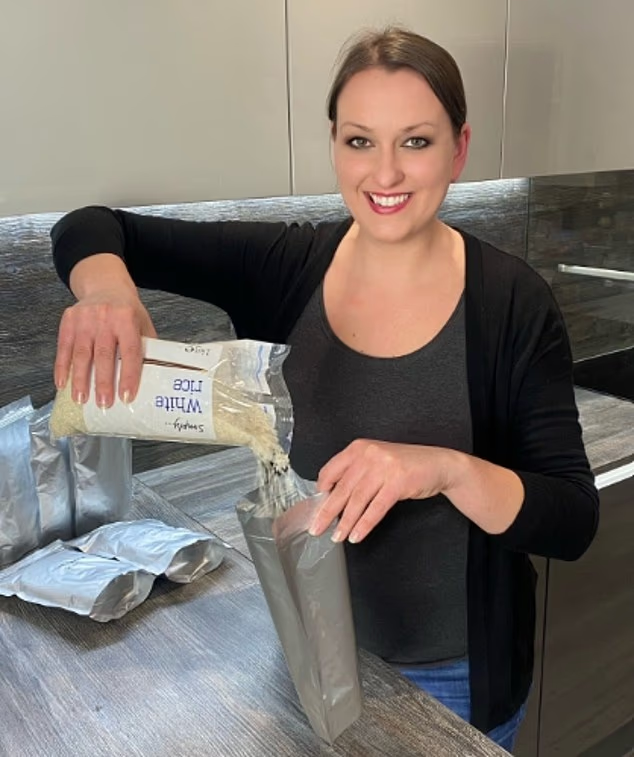
Women across Britain are building household food reserves and emergency kits after the Government urged people to prepare for a national crisis by keeping three days of food and water at home and carrying cash.
The growing number of female “preppers” includes professionals and mothers preparing for problems ranging from power cuts, storms and supply disruptions to natural disasters and wider international conflict.
Ana, a 41-year-old mother-of-one from Wales, began preparing several years ago but increased her efforts during the Covid lockdowns, when she struggled to find baby formula for her newborn.
Her cupboards now contain flour, oats, lentils, beans and tinned goods, allowing her to cook from scratch for at least two months. She also stores medicines and cleaning supplies.
Ana welcomed the Government’s advice but said households should consider keeping seven days’ or even two weeks’ worth of food and water. “Having enough food to protect your family during a disruption isn’t selfish,” she said.
She drew a distinction between gradually building a sensible reserve and panic-buying, arguing that preparedness should be treated as a practical part of family life rather than an extreme response to disaster.
Why women are joining the prepping movement
Ana, who founded the UK Preppers Club on Facebook, said the group has more than 10,000 members. She also has at least 32,000 followers across her Instagram and YouTube accounts.
She keeps a working pantry of everyday foods, including tinned goods, dried ingredients, beans, pulses and ready-to-eat meals, as well as medium- and long-term supplies. She grows and preserves food, while small emergency packs in her vehicles contain water, power banks, warm clothing, waterproofs, snacks, a portable cooking stove and a water filter.
“I believe in making use of the space you already have rather than needing a dedicated stockpile room,” Ana said. She advised people to use and replace supplies regularly, rather than leaving food forgotten for years.
Dr Sarita Robinson, an associate dean in the school of psychology and humanities at the University of Lancashire, said preparing for emergencies should reassure people rather than increase anxiety.
Dr Robinson, 50, from Preston, began preparing after experiencing an earthquake while living in Los Angeles in 2004. The coronavirus pandemic later convinced friends and family that her preparations over the previous two decades were not “bonkers”.
She said more people now recognised how quickly circumstances could change, adding that she had been asked for “go bags” — emergency kits — as Christmas presents.
Dr Robinson keeps around three months of food at home, along with over-the-counter medicines, water purification tablets, a wind-up radio, a battery pack and power banks. Her training has included first aid, firefighting, wilderness survival and helicopter underwater evacuation.
She said everyone should undertake at least some preparations, such as buying extra canned food or updating first-aid training. If households that could afford to prepare did so, she argued, local authorities’ limited resources could be directed towards vulnerable people such as the elderly.
Both women rejected the image of preppers as people living in bunkers and planning for the end of the world. Ana said those she knew were “ordinary, sane people”, including parents, teachers, office workers, gardeners and cooks.
“I’m not prepping for an apocalypse or zombie invasion,” she said, pointing instead to economic pressures, price rises, supply problems, storms and power cuts as the situations she was most concerned about.
Ana said households could begin with food they already ate, buying a little extra each week. She recommended ready-to-eat meals, tinned fish, beans, oatcakes, crackers, nuts and long-life milk, alongside dried staples such as rice, pasta and oats where cooking remained possible.
She also advised keeping drinking water, a manual tin opener, torches, batteries, a radio, power banks, medication, first-aid supplies, toilet paper, soap, heavy-duty bin bags, blankets and some cash.
At least three litres of drinking water per person per day should be stored, she said, with additional water for cooking, washing and hygiene. Families should also consider children’s needs, personal hygiene products, prescription medicines, emergency contacts written on paper and supplies for pets.
“Most importantly, make a household plan,” Ana said. “Ask yourself how you’d feed everyone, keep warm and manage basic hygiene if the power and water stopped tomorrow.”
She also called for clearer Government advice on what families should do if toilets stopped flushing, heating failed or they could no longer cook, while stressing that preparedness should not be limited to those with spare money.
“Some of the most valuable things we can do cost absolutely nothing,” she said. “Learning useful skills, making a family emergency plan or exchanging contact details with neighbours can all make a difference.”
