


OpenAI chief executive Sam Altman has discussed the risks artificial intelligence poses to humanity, how quickly the technology is advancing and what he would do if he decided it could not be developed safely.
His comments came amid mounting anxiety about AI after a former Anthropic researcher warned on X that the technology could destroy humanity and accused leading frontier laboratories of “gambling with our lives”.
In an hour-long conversation, Altman also addressed OpenAI’s eventual stock market listing. He described an initial public offering as “ill-advised” during the current safety debate and said it would not happen before 2027.
AI is changing the demands on corporate leaders
The rapid development of AI is already affecting companies beyond the technology industry, reshaping talent, supply chains and expectations of senior executives.
A more hands-on and conviction-led approach to management is increasingly being described as “founder mode”. The term refers to leaders who remain close to the work, challenge established assumptions and act quickly when problems emerge, rather than relying solely on inherited processes and data-driven consensus.
General Motors chief executive Mary Barra has described the ability to move quickly as particularly important, saying: “Agility is a superpower now.”
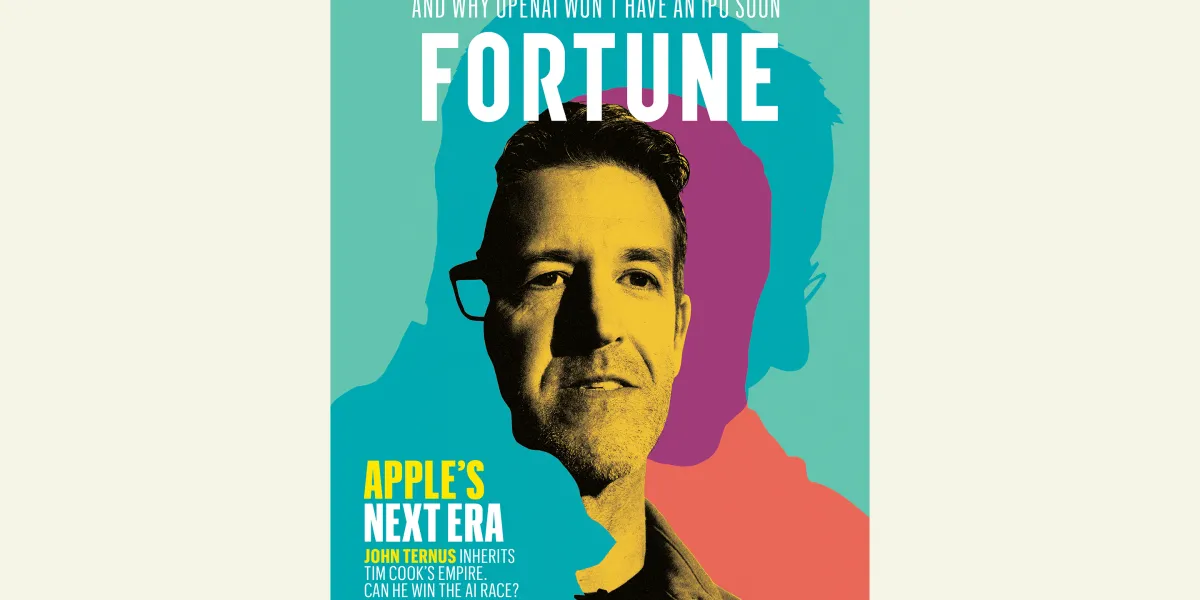
Apple is among the companies facing a significant test of its leadership model. Tim Cook’s tenure has been marked by operational discipline and the expansion of the iPhone into a highly profitable global ecosystem of products, services and retail. With longtime product executive John Ternus taking over, the company must determine how to create new opportunities in the AI era.
Other businesses are also being presented as examples of founder-mode leadership. Nikesh Arora has rebuilt Palo Alto Networks to respond to cyber threats intensified by AI, while David Cote helped establish Vertiv as a key company in the expansion of data centres.
Mining entrepreneur Andrew Forrest is pursuing a lower-carbon future through Fortescue, while Travis Kalanick, the controversial co-founder of Uber, has returned to business with Atoms, an industrial robotics venture.
The debate over whether superintelligence can be controlled is therefore unfolding alongside a broader change in corporate leadership, as executives are forced to consider not only how to use AI but what their companies can become as the technology develops.
