


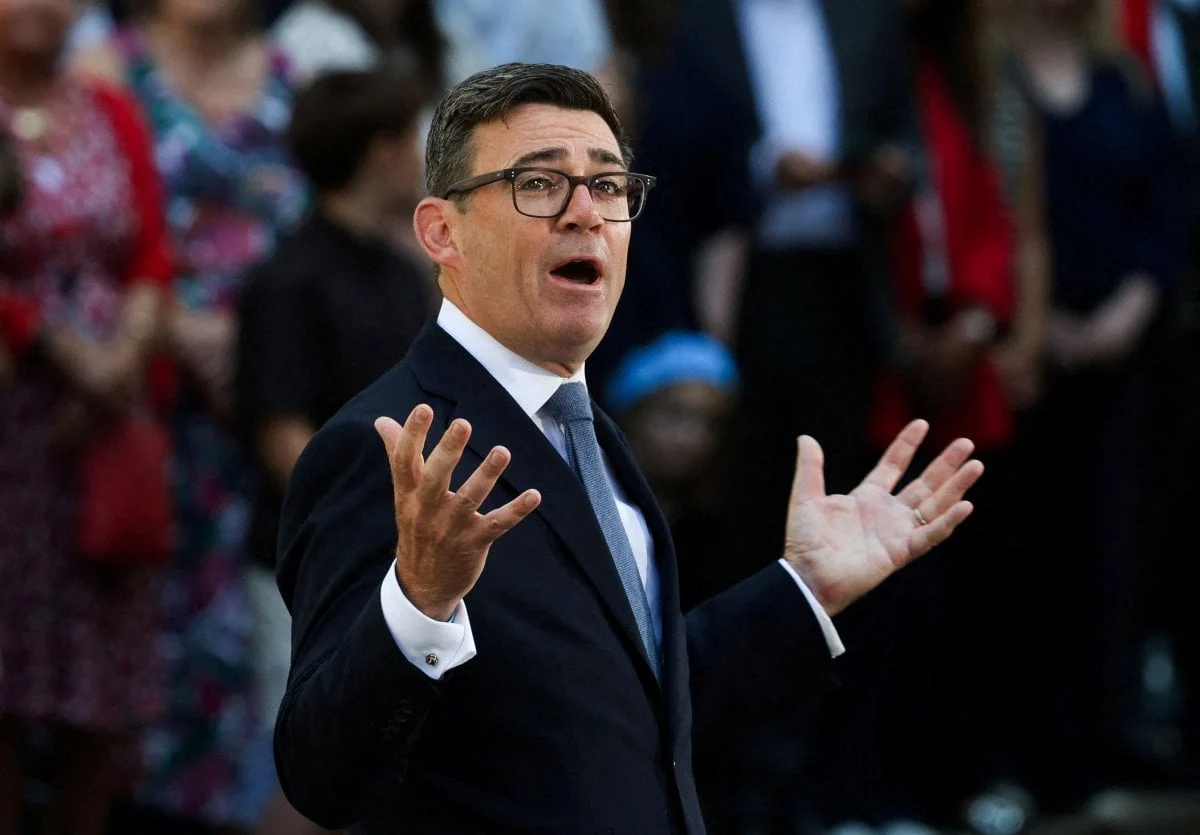
The turmoil surrounding Nigel Farage and Reform UK has given Prime Minister Andy Burnham a temporary political reprieve as he prepares for his government’s first Budget on 28 October.
Attention has shifted from questions over Labour’s spending plans after Channel 4 broadcast undercover footage appearing to show Farage and two senior aides discussing ways of securing foreign funding without breaching UK electoral law.
Reform UK has suspended the two officials involved. Farage has denied wrongdoing and said the party had neither broken the law nor accepted illicit money, while describing the conduct shown in the footage as inappropriate.
The Electoral Commission has been in contact with the Metropolitan Police, which is assessing the allegations. Labour and the Liberal Democrats have also called for the matter to be investigated.
The controversy has emerged as Labour begins to recover ground against Reform in opinion polling, easing some of the immediate pressure on Mr Burnham after his replacement of Sir Keir Starmer as prime minister in July.
Mr Burnham’s government faces difficult decisions over how to fund a series of costly commitments. He has indicated support for increasing defence spending to 3 per cent of gross domestic product by 2030, a target expected to require about £15 billion a year.
The prime minister has also signalled that he is open to bringing water companies into public ownership, while promising action on social care and a major programme of council housebuilding.
Those proposals have drawn increased scrutiny from investors ahead of Chancellor John Healey’s Budget. Government bonds were caught up in a global sell-off this week as markets assessed the fiscal outlook under the new administration.
Mr Burnham has insisted that fiscal responsibility will remain the “bedrock” of his government’s approach, but Labour MPs have pressed for greater clarity on how its commitments will be paid for.
The fallout from Reform UK may give the prime minister more room to manoeuvre in the short term, with some Labour figures again discussing the possibility of an early general election next year. Mr Burnham has ruled out holding an election in 2026.
Any respite is likely to be temporary. Higher energy prices linked to the conflict with Iran are adding to inflation risks and increasing pressure on the Bank of England as the government weighs tax and spending decisions before the Budget.
