


The G7 has agreed to release 100 million barrels of oil and fuel products over four months in an effort to curb soaring prices, with a substantial release of diesel planned within the next 20 days.
The International Energy Agency will coordinate the operation, which will begin immediately. US President Donald Trump said the diesel release would happen “immediately”, while the G7 pledged a “front-loaded substantial release” of the fuel.
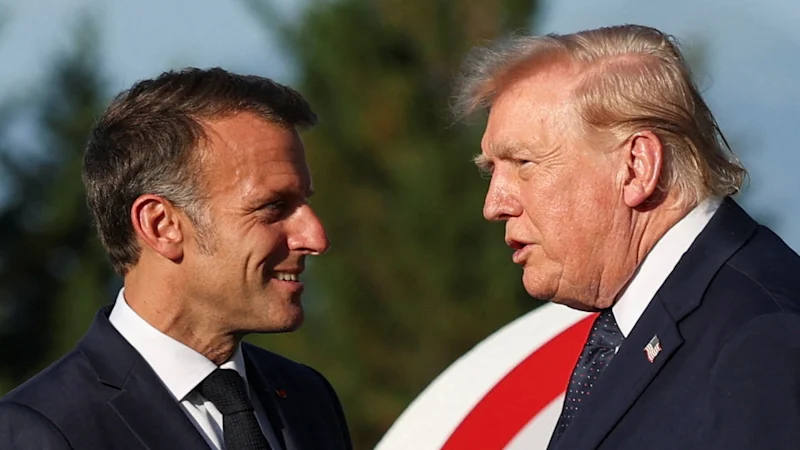
The decision followed a video conference chaired by French President Emmanuel Macron, whose country holds the G7’s rotating presidency. Mr Macron and Mr Trump spoke before the meeting about rising fuel prices and the availability of petroleum products.
The G7 statement said the release would be carried out in coordination with the IEA and involve member states and partners. It also said the group would not restrict energy exports between G7 countries.
“We reaffirm our commitment to refrain from export restrictions on energy and energy products between G7 countries and call on all producers to refrain from imposing bans that could exacerbate market tensions,” the statement said.
Diesel prices in the United States recently reached record levels. The national average stood at 6.37 US dollars a gallon on Friday, after hitting 6.52 dollars on September 22, according to AAA.
The move comes as Mr Trump and the Republican Party face pressure over the cost of living before the November 3 midterm elections. His approval rating on the economy reached a new low in an AP-NORC poll, as the war with Iran and his trade battles pushed up the cost of oil and other goods in the US.
Some Republicans had called for a ban on US diesel exports to reduce domestic prices. The G7 agreement instead commits members to keeping energy products moving between them.
Fuel prices have also risen in Australia. Regular unleaded averaged A$2.37 a litre in the week to September 28, up 10 cents from the previous week, while diesel rose by nearly 14 cents to A$2.87 a litre.
Mr Trump joined the G7 meeting by phone to negotiate the release of European diesel stockpiles, according to a White House official who was not authorised to speak publicly. The president has since begun a 32-day series of rallies intended to support Republican candidates ahead of the elections.
