


The Trump administration has asked the US Supreme Court to lift a temporary block on new postal requirements that could restrict how mail-in ballots are distributed in November’s midterm elections.
The request comes as a federal judge in Boston considers whether to extend an order preventing the United States Postal Service (USPS) from enforcing key parts of the plan. The legal dispute has intensified just as states begin preparing to send absentee ballots to voters.
Judge Indira Talwani imposed a 14-day temporary restraining order last week after voting rights groups and Democratic-led states challenged the Postal Service’s revised rules. The order is due to expire next week.
At a hearing on Thursday, Judge Talwani questioned the government about whether the system needed to implement the policy was ready. The Associated Press reported that a Justice Department lawyer representing USPS could not confirm that the online portal was operational.
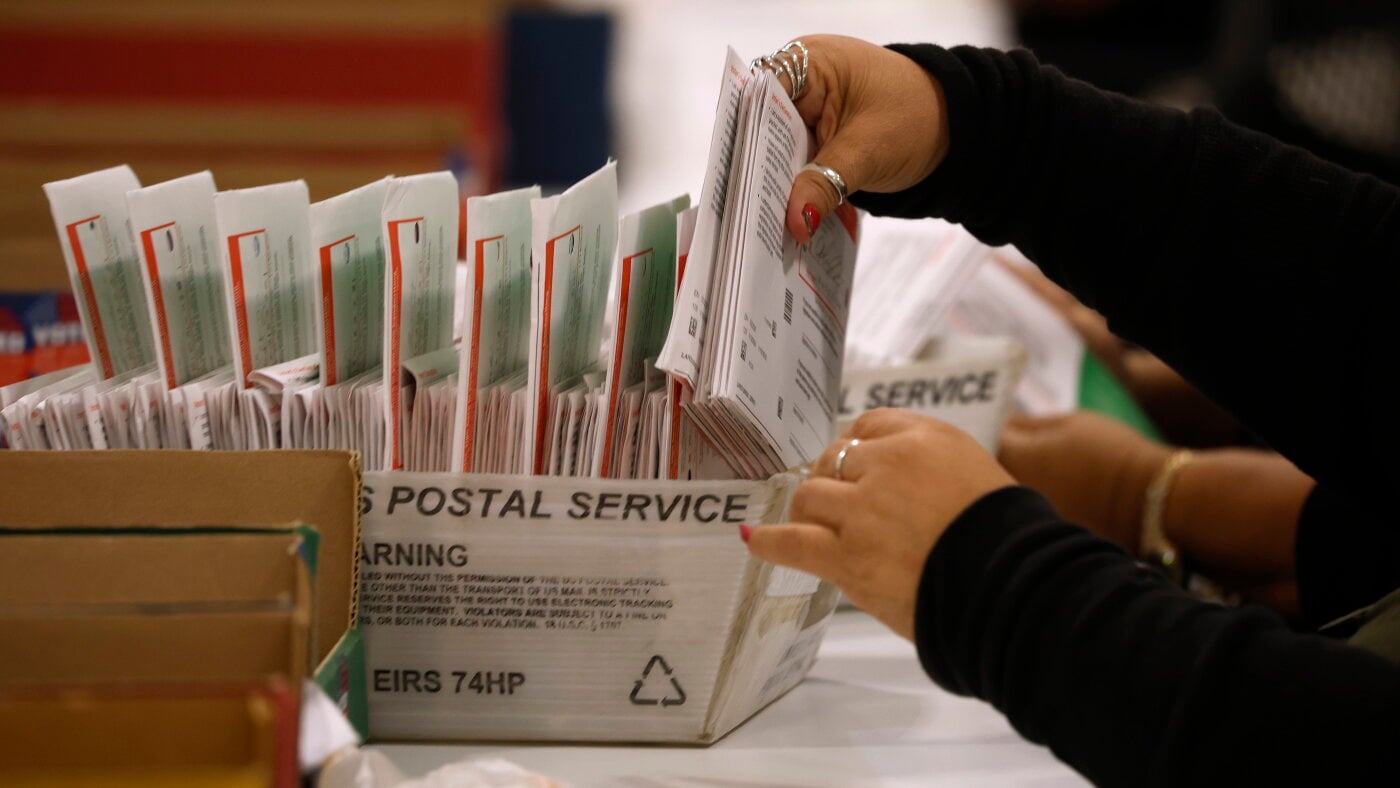
Under the revised rules, states would have to provide the Postal Service with lists of voters receiving mail ballots and obtain approval for the design of ballot envelopes. Envelopes would also need to include specified barcodes before the ballots could be sent.
USPS says the Federal Ballot Mail Portal is intended to give election officials a secure way to share voter lists. In a statement issued on 1 September, the agency said it was finalising the portal and would initially make it available to officials who wanted to become familiar with the system voluntarily.
However, the Postal Service said it was not carrying out verification procedures before accepting ballots while the restraining order remained in force. It also said its work on the portal and discussions with states about design standards were permitted to continue.
The administration argues that the changes are a lawful way to regulate the handling of election mail and prevent ballots from being sent to people who are not eligible to vote. President Donald Trump ordered the changes in March, citing concerns about voting by non-US citizens.
Opponents say the president and USPS have exceeded their authority, arguing that states – and in some circumstances Congress – have responsibility for setting election rules. They also warn that the changes could cause confusion and disenfranchise eligible voters because many election offices have already printed their ballot papers and envelopes.
A whistleblower report has raised further concerns about the proposed system, alleging that it had not been properly tested and that the process for checking ballot envelopes could result in large batches being rejected. The report claimed that a single barcode error could lead to tens of thousands of legitimate ballots not being sent.
North Carolina is due to begin mailing absentee ballots on Friday, officially starting the voting period for this year’s midterms. Other states are expected to send ballots later in September, leaving election officials with little time to adapt to any new federal requirements.
The Supreme Court dealt with an earlier stage of the dispute in August, when it stayed a previous injunction against the administration. The justices did not rule on whether Mr Trump’s executive order or the USPS rules were lawful, and the latest application will determine whether the postal plan can proceed while the wider legal challenge continues.
