


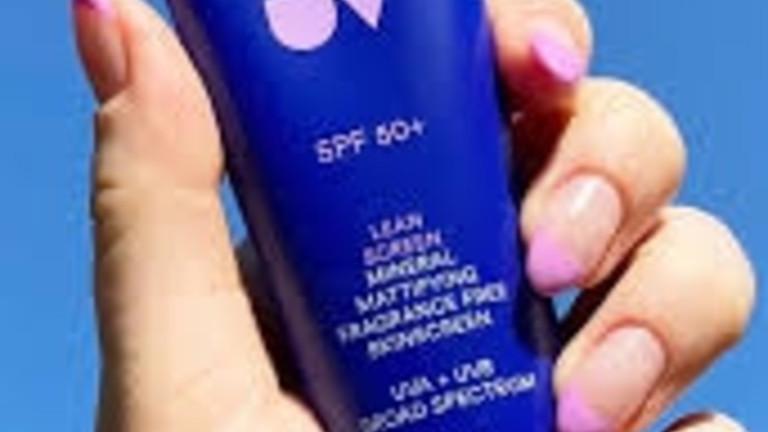
Ultra Violette is seeking $7 million from sunscreen manufacturer Wild Child Laboratories, accusing the company of misleading and deceptive conduct after its Lean Screen SPF50+ product returned test results as low as SPF 4.
The Australian skincare brand launched Federal Court proceedings after Lean Screen was withdrawn from sale last year following testing by consumer group Choice. The product used a base formula manufactured by Wild Child, which was also used in 19 other sunscreens subsequently recalled, cancelled or removed from the market.
Ultra Violette said it was “deeply sorry” for the inconsistency in testing and pulled Lean Screen from shelves. Its statement of claim alleges Wild Child made six representations that the sunscreen had an SPF of 50 or 50+.
However, seven tests commissioned by Ultra Violette and carried out by four laboratories produced average SPF results of 2.9, 3.0, 3.6, 4.1, 10.5, 21.5 and 25.18 between July and September 2025. The claim also refers to a separate test commissioned by Wild Child that recorded an SPF of 21.7.
Wild Child Laboratories faces millions in claims
The Therapeutic Goods Administration said preliminary testing indicated the shared base formulation was unlikely to have an SPF higher than 21, with some products recording results as low as SPF 4.
Under Australia’s current testing standard, a sunscreen labelled SPF50+ must record an average SPF of at least 60. The TGA has also expressed concerns about the reliability of testing conducted by UK-based laboratory Princeton Consumer Research, which had been used by a number of companies linked to the affected products.
Wild Child Laboratories entered liquidation in August, with Jason G Stone and Paul A Allen appointed as joint liquidators. Documents show 11 sunscreen companies are claiming more than $19 million, while debts to the Australian Taxation Office exceed $400,000.
A month before the liquidation, Wild Child sold its assets to Heliora, a newly registered company operated by former Wild Child chief executive Tom Curnow and established by Wild Child director and major shareholder Paul Waldren.
Heliora has rejected any suggestion that it was created to avoid Wild Child’s liabilities. It said the liquidators had not raised concerns about the transaction, while Mr Curnow said no Wild Child shareholder received a payment or distribution.
The new company took on Wild Child’s employees and clients and continued operating its sunscreen manufacturing business. Heliora said it had submitted the necessary documents to the TGA to support the transfer of the company’s Good Manufacturing Practice licence.
The TGA said an inspection of Wild Child’s facility in September 2025 identified some non-serious manufacturing deficiencies but found no manufacturing issue that could explain the low SPF results.
Ultra Violette said Wild Child’s liquidation had an “immediate impact on our Federal Court proceeding”, adding that it could not ordinarily continue the case against a company in liquidation without the court’s permission.
Mr Curnow said Wild Child’s insurer had confirmed that the liquidation had not withdrawn previously confirmed cover for relevant claims, subject to the terms and conditions of the policy.
Wild Child has argued that Ultra Violette, as the sponsor of the therapeutic product, was responsible for ensuring the sunscreen complied with Australian legal requirements and matched the SPF claim on its packaging.
Ultra Violette disputes that position and has alleged that the laboratories involved in testing the product, including Princeton Consumer Research, were concurrent wrongdoers and may also have engaged in misleading or deceptive conduct.
