


The US Department of Justice has widened its investigation into rising beef prices to include eight of the country’s biggest grocery retailers, including Walmart, Amazon and Costco.
The Antitrust Division said letters sent in July sought information about the companies’ retail beef sales, wholesale purchases, costs, profit margins and pricing strategies. The department described beef affordability as a priority in a post on X on September 1.
Kroger, Publix, Albertsons, Aldi and Ahold Delhaize USA are also under scrutiny alongside Walmart, Costco and Amazon. The inquiry does not amount to an accusation of wrongdoing, and the retailers have not been publicly accused of fixing prices.
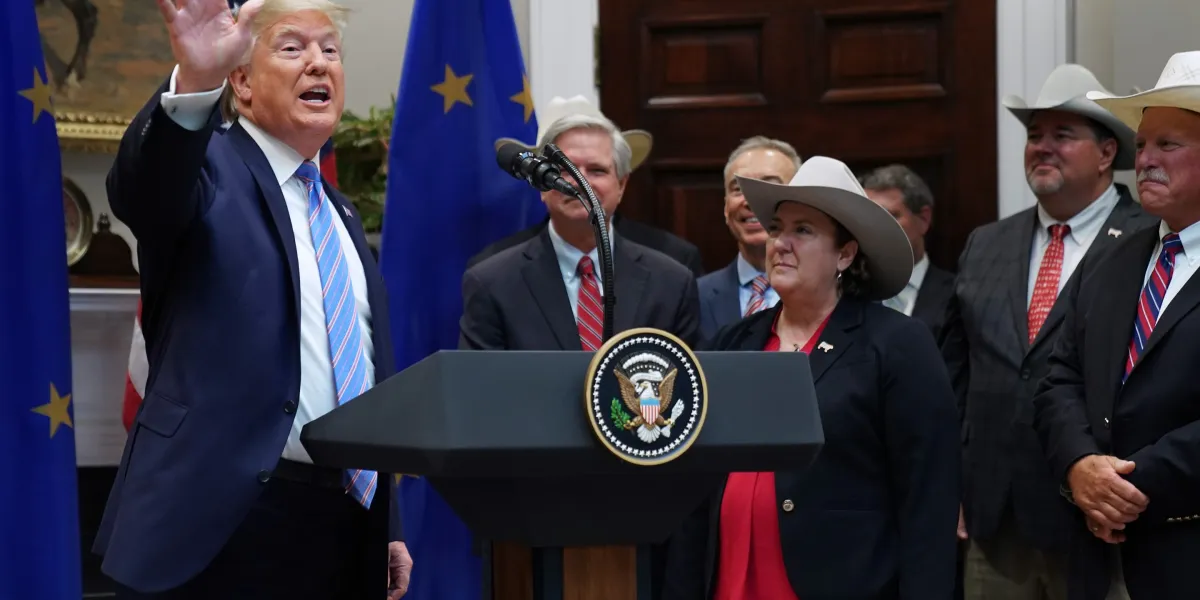
The move expands an investigation into the US meatpacking industry that began in May, following President Donald Trump’s direction to examine whether large processors had engaged in collusion, price fixing or price manipulation.
Beef prices have become a politically sensitive issue for the administration as it seeks to demonstrate progress on household costs before November’s midterm elections. The US Bureau of Labor Statistics said beef and veal prices were 9.4 per cent higher in July than a year earlier, while uncooked ground beef rose by 9 per cent.
The department’s letters, first reported by Reuters, asked retailers to provide records relating to recent increases in retail beef prices and to explain how wholesale costs, margins and market conditions had influenced prices paid by consumers.
The investigation comes as the administration pursues several measures intended to increase beef supplies. In August, Mr Trump authorised an additional 300,000 metric tonnes of lean beef trimmings to enter the US at in-quota tariff rates over a 90-day period beginning on September 1.
The White House said the measure was intended to increase the supply of ground beef, with the additional imports to be released in three monthly tranches of 100,000 tonnes. The administration has also promoted imports from Argentina and resumed some imports of Mexican livestock after a temporary suspension linked to screwworm concerns.
Those moves have prompted criticism from American ranchers, who argue that greater reliance on foreign supplies could expose domestic cattle to disease risks while doing little to reduce prices at the supermarket counter.
Why US beef prices remain high
A historically small cattle herd is one of the main pressures on the market. The US Department of Agriculture reported 86.2 million cattle and calves on farms on January 1, 2026 — the lowest total since 1951. The number of beef cows stood at 27.6 million, down 1 per cent from the previous year.
Farmers have faced higher costs for feed, fertiliser and equipment, while drought has made maintaining herds more difficult. The resulting reduction in breeding has tightened supplies and pushed up the cost of cattle bought by processors.
Rebuilding the herd cannot happen quickly. Female cattle must reach breeding age, carry calves for almost nine months and then raise them before the animals can either be retained for future breeding or sent for slaughter.
Meat processors have also been under financial strain. Tyson Foods said in August that it would close two beef plants and sell another after recording a $138 million operating loss in its beef division. JBS, the Brazilian-headquartered processor, later halted operations at its Pennsylvania beef plant after reporting a $279 million adjusted operating loss in its North American beef business.
President Trump has separately said ranchers should be allowed to process and sell their own meat, although the details of any regulatory changes remain unclear. Producers may process meat for personal use, but meat sold commercially must meet federal safety and sanitation requirements and pass inspection.
The DOJ has said its meat-market investigation has not prejudged any outcome. Its scrutiny of retailers is expected to examine how prices move through the supply chain, from cattle producers and processors to supermarkets and online sellers.
