


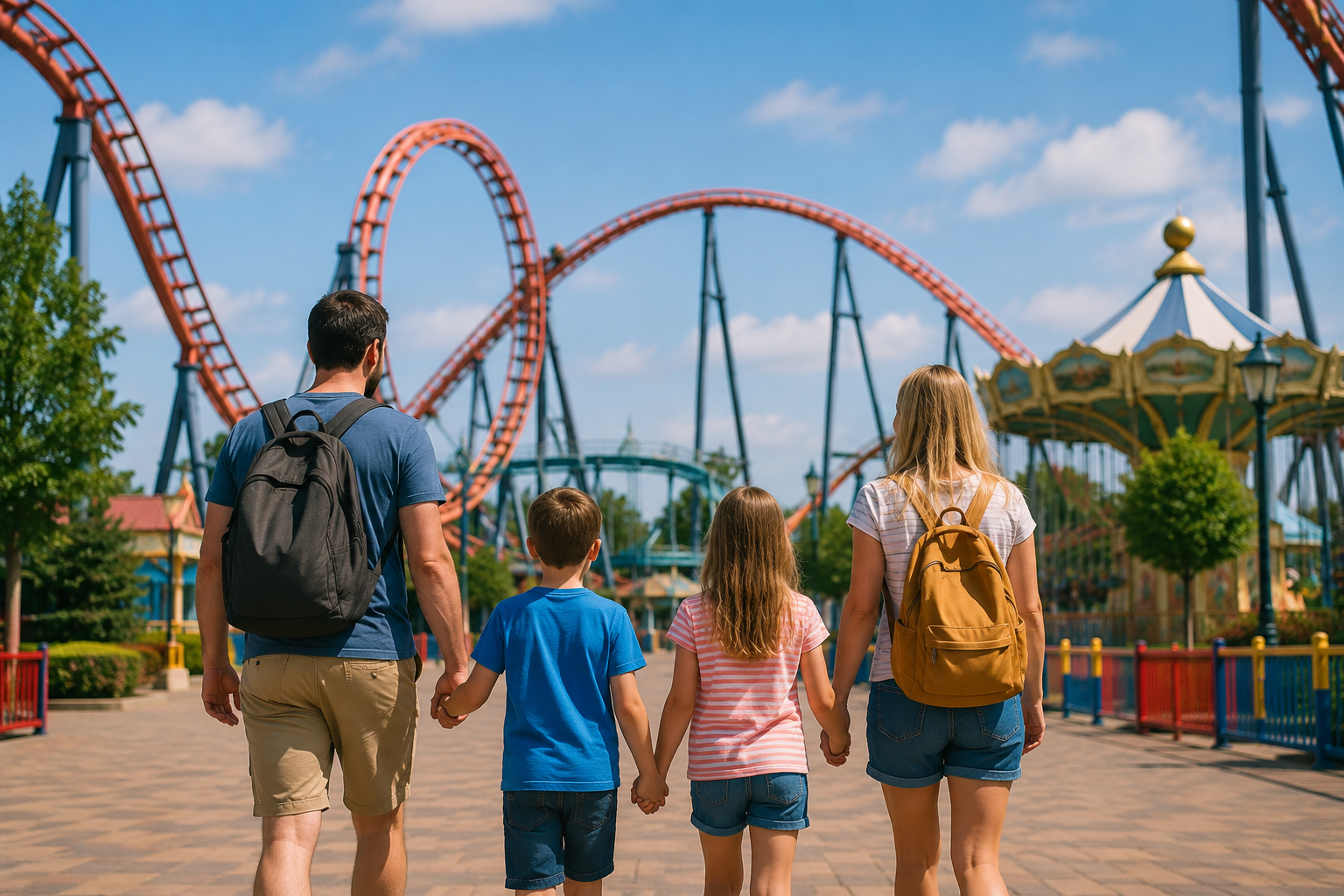
Families heading to theme parks, zoos, museums and the cinema this summer should pay less at the gate, after the Chancellor announced a temporary cut to VAT on tickets and children’s meals in a wider package designed to ease the cost of living.
Rachel Reeves told the Commons that VAT on a sweep of family attractions and on children’s restaurant meals would fall from 20 per cent to 5 per cent between 25 June and 1 September. The timing is intended to bridge the school summer holidays across all four UK nations, beginning when Scottish pupils break up and ending as children in England, Wales and Northern Ireland return to classrooms. Whether shoppers and visitors see the full benefit, however, depends on individual businesses choosing to pass the saving on rather than absorbing it.
The reduction is the centrepiece of what the government is calling the “Great British Summer Savings” scheme. Alongside the VAT cut, ministers have announced free bus travel for under-16s in England during August and a temporary suspension of import tariffs on more than 100 basic food lines, including biscuits, chocolate, dried fruit and nuts, with a full list due to be published next week. The Treasury has put the cost of the wider package at around £1.8 billion.
Reeves framed the measures as a recognition that household budgets are under pressure from rising fuel costs and the prospect of higher food and energy bills, with supply chains affected by the war in Iran. “I recognise that what matters for families is not just getting by, but being able to enjoy time together without worrying about the next bill,” she said, adding that the scheme would also support the hospitality sector. Speaking to the BBC, the Chancellor said she expected supermarkets to pass on savings from cheaper imports to customers.
According to Bloomberg, the cost of the VAT cut is to be funded by closing a tax loophole used by some oil and gas companies. Reeves told MPs that some firms operating overseas through foreign branches had “structured their tax affairs in a way which ensures they pay little or no corporation tax on their UK energy trading profits”. As reported by Yahoo Finance, other measures announced on Thursday included a 10p per mile increase in tax-free mileage rates backdated to April 2026, a £350 million critical chemicals resilience fund and a £120 million package to support the ceramics sector.
The political backdrop is also significant. The announcement comes as the government attempts to retake control of the agenda amid continuing uncertainty over the Prime Minister’s future. Business Matters described the political calculation as straightforward — a summer of cheaper days out making for an easier sell on the doorstep than another round of bleak high-street closures. According to GB News, Prime Minister Sir Keir Starmer said Labour wanted to make summer outings more affordable for families still feeling the effects of the cost-of-living crisis.
The reduced rate will apply broadly. Children’s menu meals served in restaurants will qualify, as will children’s and family tickets for cinemas, theatres, concerts, shows and exhibitions. Admission tickets for both children and adults will be cut at amusement parks, fairs, museums, zoos, soft play centres, circuses, adventure parks, nature reserves, wildlife parks and observation attractions.
The hospitality industry welcomed the move. UK Hospitality called it a “positive step” that would help families “enjoy a great British break this summer”, with its chair Kate Nicholls suggesting the cut should be regarded by the government as a “down-payment on a wider shift to a lower VAT rate for the entire hospitality sector, to bring us in line with Europe”. Odeon, the cinema chain, said it was “excited that our guests will be able to enjoy the big screen for less” over the summer.
Independent analysts were more cautious. Helen Miller, director of the Institute for Fiscal Studies, estimated the package would equate to an average saving of around £10 per UK household. Dame Clare Moriarty, chief executive of Citizens Advice, said the cost-of-living measures would make a “real difference”, but warned they did not address what people were struggling with now, such as energy debt. “The people coming to us every 30 seconds in crisis aren’t just worrying about August, they’re already struggling now and fear things will only get worse as winter hits,” she said. The TUC said the government needed to be “bolder” to shield workers and households from the impact of the war in Iran.
The opposition response was sharper. Mel Stride, the Conservative shadow chancellor, said Reeves should commit to getting spending down and tackling the benefits bill if she was serious about the challenges facing the economy. Liberal Democrat transport spokesperson Olly Glover welcomed free summer bus travel for children but called for an “emergency transport package” including a £1 bus fare cap, a 10 per cent cut to rail fares and 10p off fuel duty. Dr Ellie Chowns, leader of the parliamentary Green Party, said the Chancellor needed to “think far beyond a ‘summer savings scheme’ which does nothing to address soaring energy bills, sky-high housing costs, and crumbling public services”. Reform UK’s treasury spokesman Robert Jenrick described the measures as “small change for families that are really struggling right now”.
Separately, ministers have been pressing supermarkets to cut prices on essentials but have stopped short of forcing them to cap costs on items such as eggs, bread and milk. Even the voluntary approach has run into resistance, with Marks & Spencer chief executive Stuart Machin calling such a policy “completely preposterous”.
