


Donald Trump’s first Republican midterm convention is exposing the difficulty facing vulnerable candidates as they try to harness his support without allowing an unpopular president to dominate their campaigns.
The two-day gathering in Dallas on September 9 and 10 was promoted by Mr Trump as a “truly Historic Event” and a rally “like none other”. Yet a number of Republicans in closely fought House and Senate races are choosing to remain in their home states, where they believe campaigning may be more valuable than appearing alongside him.
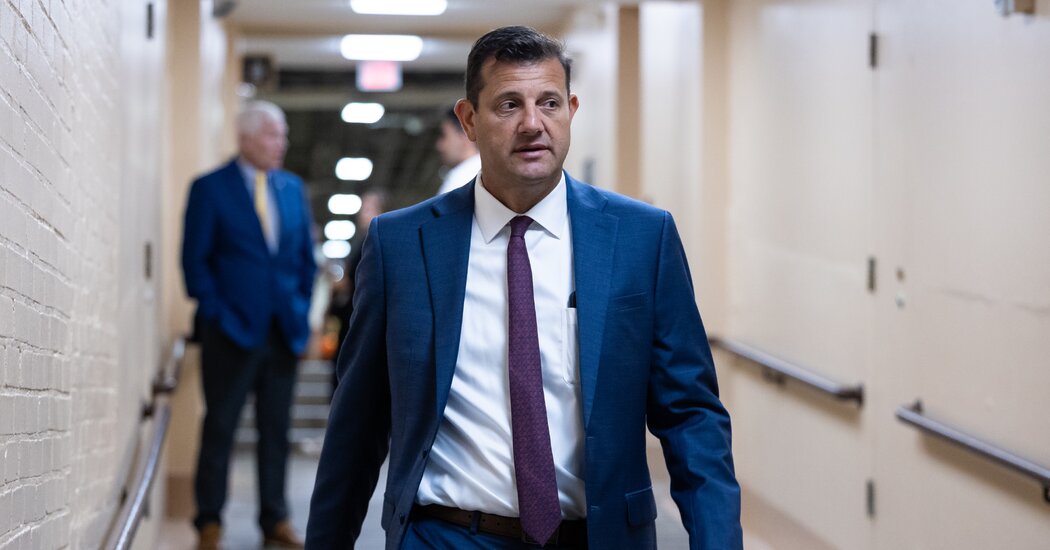
Representative David Valadao, a California Republican whose redrawn district now contains more Democratic voters from Fresno, said he had been invited but would not attend.
“I’ve actually never attended any convention,” he said, adding that he would not break that record for an event costing lawmakers $25,000 to attend.
Representative Max Miller of Ohio, who is fighting to retain his seat after allegations of domestic abuse involving his former wife and young daughter disrupted his campaign, also said he would stay away.
“I was invited, but staying home to campaign and spend time with family,” Mr Miller said.
Representative María Elvira Salazar, a Florida Republican representing a heavily immigrant constituency affected by the administration’s deportation policies, said she had yet to decide whether to go.
“People vote for me in South Florida, and I want to be there with them,” she said.
Juan Ciscomani, whose Arizona seat is regarded as competitive, is scheduled to debate his Democratic opponent on September 10. He said the debate would have to take priority, one of several clashes that Republicans have cited as they weigh whether to travel to Texas.
The convention is intended to raise money, showcase candidates and give Republicans a common message before November’s elections. The party is facing the prospect of losing control of the House and possibly the Senate, while Mr Trump’s approval rating has fallen to a record low.
His tariffs and the war in Iran remain unpopular, adding to concern among Republican candidates that a convention centred on the president could turn the election into a referendum on his record.
Republicans have also expressed frustration that MAGA Inc, the president’s political operation, has amassed a war chest of about $400 million but has so far remained largely on the sidelines in the fight to protect the party’s congressional majorities.
A former senior House Republican leadership aide said most lawmakers viewed the week as better spent campaigning in their districts rather than attending the Dallas event. The aide, who spoke anonymously about private discussions, said that was also the stronger strategy.
Speaker Mike Johnson has taken a different view, repeatedly promoting the gathering during a summer tour of Republican-held and competitive districts.
“The first ever midterm convention is something that’s going to be so exciting,” he said on Tuesday. “We’re going to have a huge number of our members and candidates there.”
Natalie Baldassare, a spokeswoman for the Republican National Committee, rejected the suggestion that Republicans were abandoning the event but declined to release a list of attendees.
“The outreach and enthusiasm to attend, participate and speak at this historic midterm convention has been incredible, from members of Congress to Republican candidates to everyday Americans,” she said. She described the gathering as a source of momentum for expanding Republican majorities in November.
Some vulnerable Republicans are expected to attend, including Representative Mike Lawler of New York, who has sought to maintain distance from Mr Trump while campaigning in a district that backed Kamala Harris in the last presidential election.
Mr Lawler has been promoting an advert in which Mr Trump calls him a “pain in the ass” over his support for repealing the cap on state and local tax deductions. He said he planned to introduce two constituents whose daughter, he claimed, had been killed by an undocumented immigrant.
Representative Rob Bresnahan of Pennsylvania and Senator Jon Husted of Ohio were listed as speakers in plans circulated ahead of the convention. Former Representative Mike Rogers, who is seeking a Senate seat in Michigan, and Representative Derrick Van Orden of Wisconsin were also due to address the event.
Others have been less willing to discuss their plans. Representative Mariannette Miller-Meeks of Iowa, who has trailed her Democratic opponent in recent polling, declined to say whether she would attend, telling reporters to contact her communications director. She later told The Bulwark that she would not be there.
Representative Jen Kiggans of Virginia also refused to answer questions about the convention. Representatives Thomas Kean Jr of New Jersey and Tom Barrett of Michigan, along with Senator Susan Collins of Maine, have said they will skip it.
Mr Valadao said Mr Trump remained important to the Republican base, but that candidates needed to decide carefully when his presence would help or hurt them.
“He’s going to play a role with the base,” he said. “Getting the base motivated and showing up is important. There are spots where he can be helpful. There are spots where he can be less helpful.”
Asked whether he expected help from the president in holding his seat, Mr Valadao replied: “I don’t really bank on it.”
