


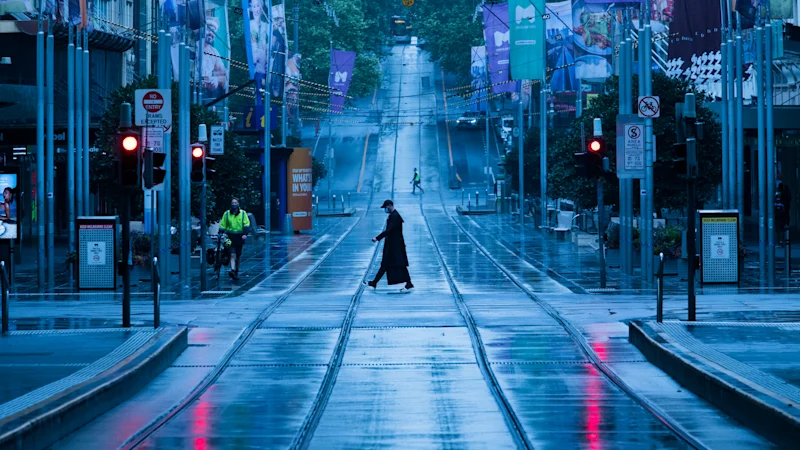
Two senior Victorian public servants attempted to conceal a suspected $285 million error in COVID grant payments by withholding information from their superiors and ministers, an anti-corruption investigation has found.
The Independent Broad-based Anti-corruption Commission (IBAC) said “false and misleading information” was given to then-minister Martin Pakula in November 2021, concealing the fact that almost a quarter of the state’s Business Costs Assistance Program grants had been paid to ineligible businesses.
The $4.5 billion scheme provided payments of up to $97,200 to businesses affected by lockdown measures during 2020 and 2021.
Victoria COVID grants cover-up exposed by whistleblowers
IBAC’s investigation found that more than 9,000 businesses had received an estimated $285 million after backdating their GST registrations. Registration was a key eligibility requirement, but the department had not recognised that businesses could legally backdate registrations by up to four years.
Officials assessed applications against a live database, which changed when GST registrations were backdated, rather than using a fixed record showing eligibility at the time each grant was announced.
IBAC’s own analysis estimated that about $257 million had been paid to ineligible businesses. Of that amount, $108 million went to businesses that had reported no activity in the six months before the pandemic.
About $8 million has since been repaid to the Victorian Government, while a further $5 million is being returned through repayment plans.
The report said the department’s acting director of COVID-19 grants policy responded “oh no” on discovering the scale of the problem, later describing it as “astonishing to realise how many snuck through”.
A figure for losses caused by backdated GST registrations was included in a draft report prepared for department secretary Simon Phemister and Mr Pakula. The initial estimate of $8.92 million was later revised to $251.9 million after further analysis by the department’s Integrity Services Unit.
However, IBAC said the item was removed from the report on November 30, 2021, at the request of a deputy secretary. The deputy secretary told investigators the decision had followed a discussion “above me”, identifying the department’s associate secretary as the most immediate person involved.
The associate secretary denied drafting or amending the report, or instructing anyone else to do so. They told IBAC they believed the analysis behind the overpayment figure was flawed.
But the commission said the associate secretary should have reported the analysis to Mr Phemister, even if they disagreed with it. A message provided to investigators showed the associate secretary writing to the deputy secretary in December 2025: “I don’t think that problem re GST backdating overpayments is a problem. Phew”.
IBAC said misleading information was subsequently created and circulated over an extended period, including to Ben Carroll after he replaced Mr Pakula as the relevant minister in 2022. The associate secretary also withheld important information from the Victorian Ombudsman, the commission found.
IBAC Commissioner Victoria Elliott said Operation Harmonia had uncovered conduct inconsistent with Victoria’s public sector code of conduct and a failure to meet the integrity standards expected of public officers.
“While officers within the department spoke up, their leaders failed to act, meaning the government was left uninformed and unable to move quickly to address this suspected significant loss of public funds,” the commissioner said.
IBAC said it believed Mr Phemister had not been told about the suspected loss and was therefore unable to inform the minister. Mr Pakula also told investigators he had never been informed of the issue.
The report does not name the deputy secretary or associate secretary involved. The commission praised whistleblowers within the Victorian public service who alerted it to the alleged cover-up.
