


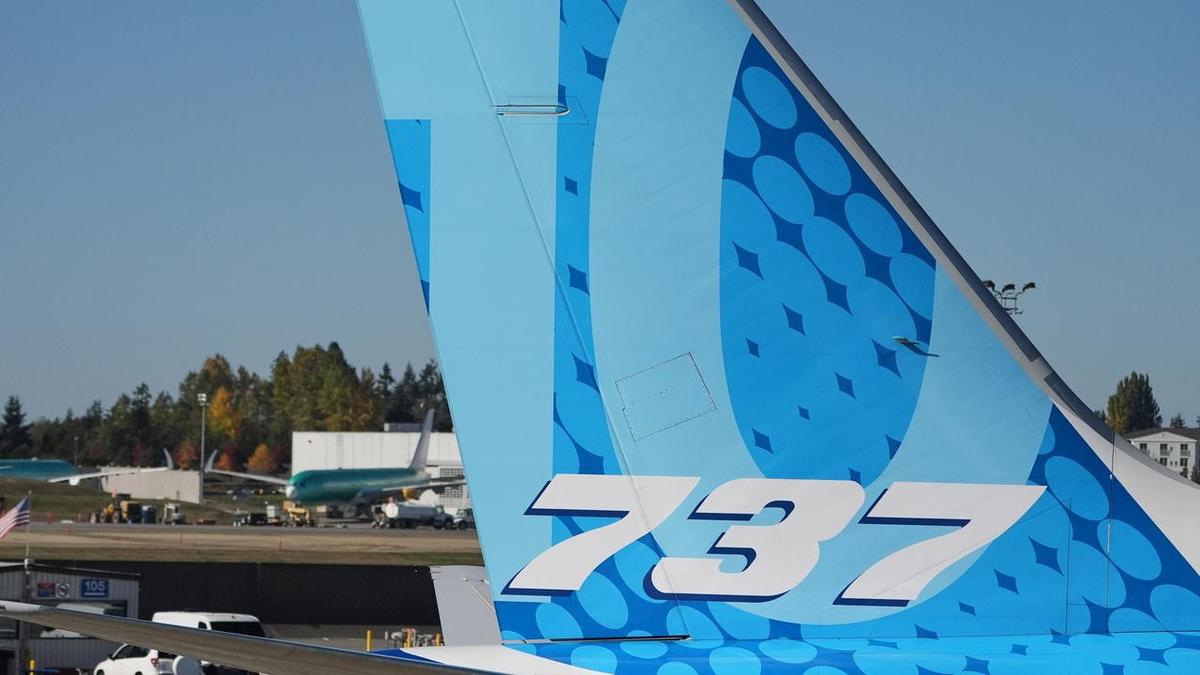
Boeing’s 737-10 has received certification from the Federal Aviation Administration, clearing the way for the largest aircraft in the 737 MAX range to be sold to airlines after years of delays.
The approval marks a significant stage in Boeing’s efforts to recover from prolonged safety, quality and production problems while rebuilding its financial position and reputation.
US Transportation Secretary Sean Duffy said the decision followed an extensive review, including thousands of hours of test flights.
“After extensive safety reviews – including thousands of hours of test flights – the team at the FAA is ready to approve this critical aircraft for sale,” Mr Duffy said.
“This is a major win for American manufacturing and our nation’s status as a global aviation powerhouse. We invented flight, we pioneered air travel, and we are going to continue leading the way in aviation safety and innovation.”
Stephanie Pope, president and chief executive of Boeing Commercial Airplanes, said more than 30 customers worldwide had bought the 737-10, with orders totalling 1,555 aircraft.
“Completing the certification program clears the path for us to deliver a Boeing airplane that will set a new standard in commercial aviation. The 737-10 offers greater capacity, longer range and the best seat economics in its class, a platform that will create more value and opportunities for airlines around the world,” Ms Pope said.
“We are also delighted to complete the 737 MAX family and provide our customers the most-efficient and flexible single-aisle airplane portfolio in the industry.”
The 737-10 is designed to carry between 185 and 210 passengers, with a range of up to 5,740 kilometres. Boeing said it would use 20 per cent less fuel and produce 20 per cent fewer CO2 emissions than comparable aircraft in the 737 MAX range.
The larger single-aisle jet is intended to help Boeing compete in the narrow-body aircraft market by giving airlines capacity for more passengers on each flight and potentially reducing the cost per seat.
For passengers, its introduction could eventually bring additional seats on busy routes, although the effect on fares will depend on how airlines use the aircraft and the level of competition on those services.
