


Dallas-Fort Worth is facing a dangerous Labor Day heatwave, with a National Weather Service heat advisory in force across much of North Texas as temperatures approach 101F (38C) and the heat index reaches up to 107F (42C).
The warning covers the metropolitan area, counties along the Red River and communities to the east. It is due to remain in place until 8pm local time on Monday 7 September, while parts of western and south-western North Texas have been excluded because humidity levels are lower.
Heat advisory remains in force across North Texas
Early temperatures ranged from the low 70s to the low 80s Fahrenheit, including 82F (28C) in Plano and 73F (23C) at Lake Tawakoni. But a strong area of high pressure over Texas is expected to drive afternoon temperatures into the upper 90s and low triple digits.
The combination of heat and humidity is expected to raise the risk of heat-related illness, particularly for people working or taking part in outdoor activities. Winds are forecast to strengthen during the afternoon, adding to the hazards for those spending the holiday outdoors.
The National Weather Service has advised people to stay hydrated, take regular breaks in shaded or air-conditioned areas and limit strenuous activity during the hottest part of the day.
Hot conditions expected to continue
There is little immediate relief in the forecast. Overnight temperatures are expected to remain close to 80F (27C), offering limited recovery from the daytime heat, while highs of around 100F (38C) or more are forecast through the middle of the week.
The weather service said the wider hot and dry pattern could persist through at least the middle of September, with a strong ridge maintaining above-average temperatures across North and Central Texas.
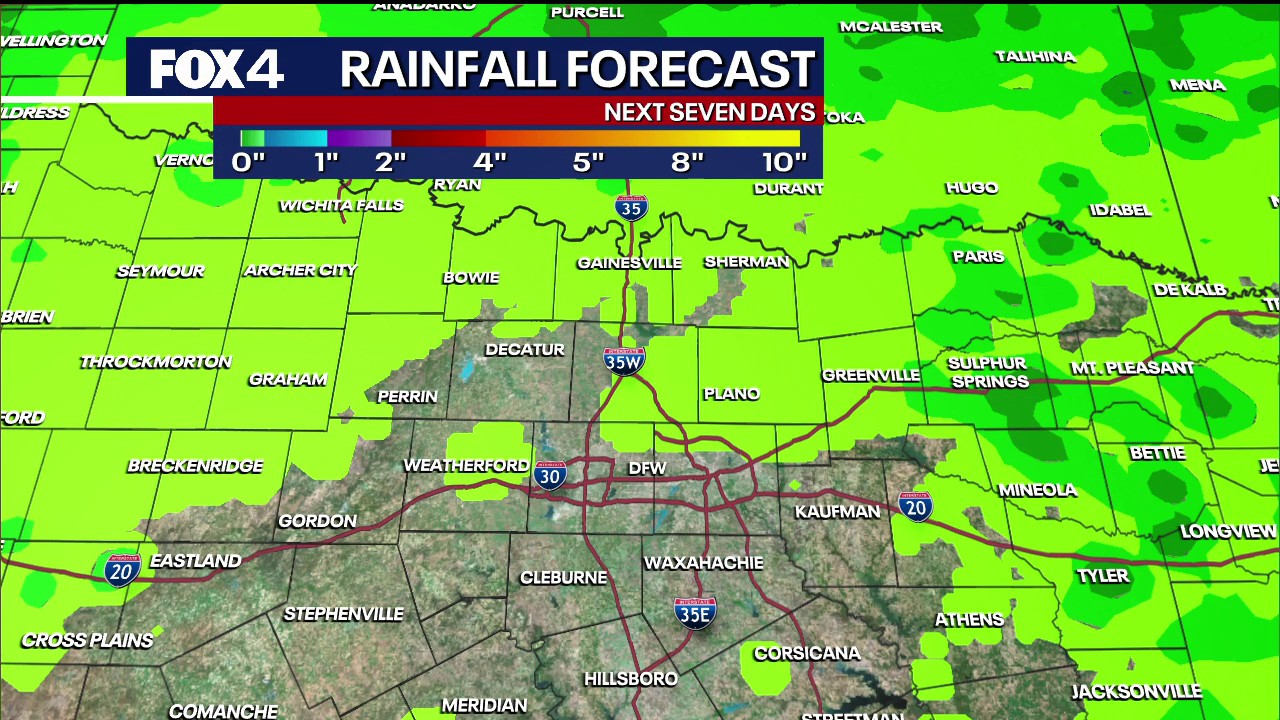
A weak front approaching from Oklahoma may bring extra cloud and isolated showers later in the week. Rain chances are expected to remain low, however, generally between 10 and 20 per cent, and any rainfall is likely to be too light to provide meaningful relief from drought conditions or low lake levels.
