


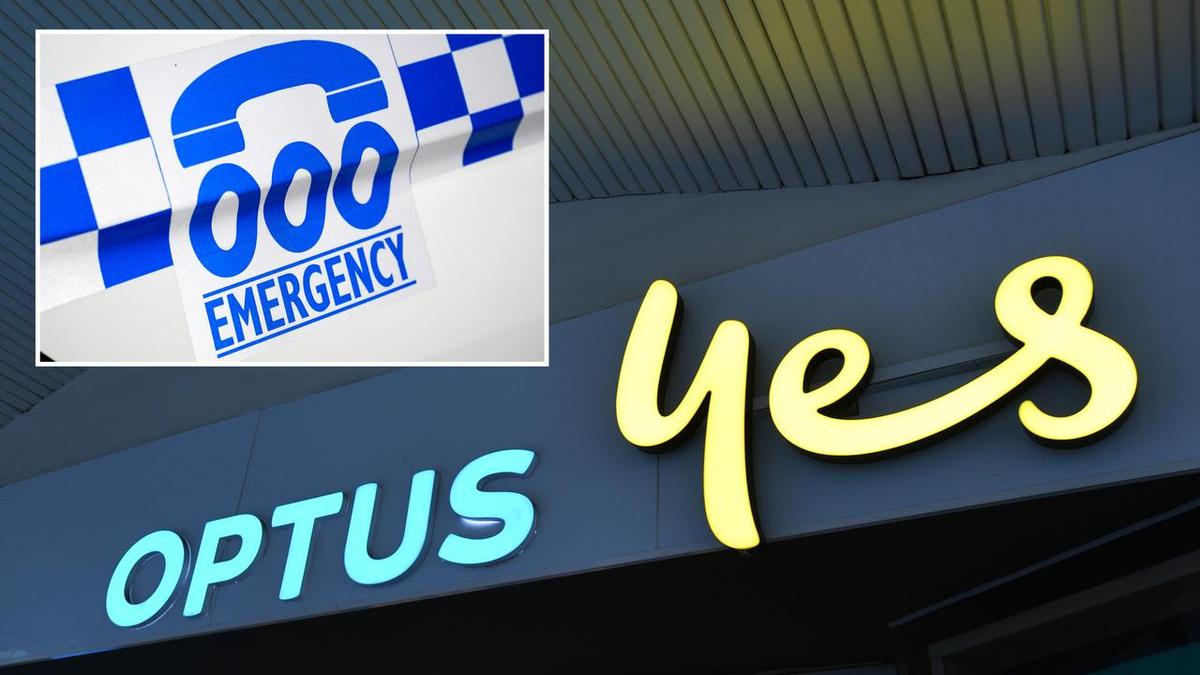
An Optus network outage that left emergency calls unable to connect prompted police to carry out about 40 welfare checks in Victoria, as the telecommunications company apologised for its second outage in a year.
The disruption lasted for one hour and 16 minutes from 1.30pm on Friday, affecting customers in Victoria, Tasmania, South Australia and the Northern Territory.
Optus gave authorities details of 39 calls that failed to connect to triple zero during the outage, according to Paul Santamaria, chief operations officer at Triple Zero Victoria.
Victoria Police said officers completed around 40 welfare checks. No adverse outcomes or issues of note were reported.
In Tasmania, the Department of Police, Fire and Emergency Management said it had been told about three affected calls. Police later contacted the callers and determined that none required immediate police or emergency assistance.
Optus said it identified the fault within minutes and immediately deployed technical teams to restore services.
“We sincerely apologise to customers for the disruption,” the company said.
Federal minister Chris Bowen said an investigation had begun into the outage, describing it as a relief that those affected appeared to be safe and well.
“It’s deeply concerning that this has happened again, on a smaller scale than previously but still any breach here, any failure of service, is concerning,” Mr Bowen told reporters on Saturday.
He said telecommunications companies had an obligation to keep the technology used for triple zero calls “in the best possible working order”.
Optus emergency call obligations under scrutiny
The latest failure follows legal action brought against Optus by the Australian Communications and Media Authority in July over a network outage in September 2025. That disruption lasted almost 14 hours and affected 600 calls.
The watchdog alleges Optus breached two legal obligations more than 1,000 times during the outage, which was linked to two deaths.
“Australians rightly expect that when they call triple zero, their call will connect,” ACMA chair Nerida O’Loughlin said in July.
“Giving access to the emergency call service is not optional, it is a fundamental legal obligation and the most important public safety responsibility telecommunications providers have.”
