


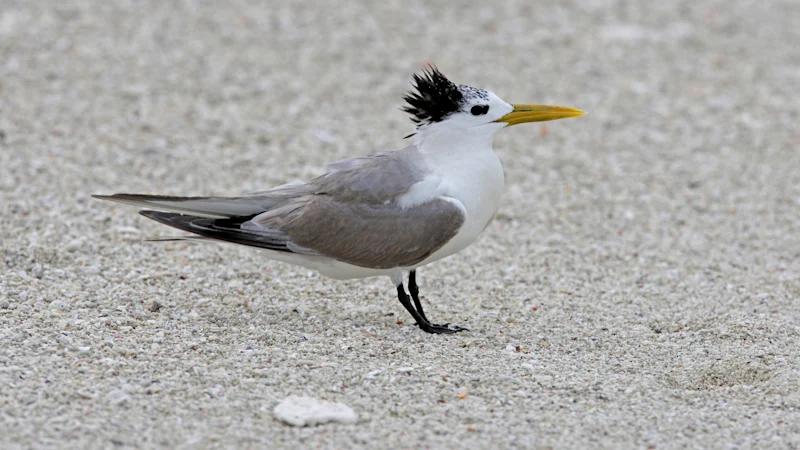
H5 bird flu has reached Sydney, with the virus confirmed in a dead greater crested tern found at Warriewood on the Northern Beaches.
The discovery, made on Friday 28 August, is one of three new H5 bird flu events recorded in New South Wales. Another greater crested tern tested positive at Port Kembla, while the virus was found in a Hutton’s shearwater at Corindi, north of Coffs Harbour – the first confirmed detection in that species in the state. ([environment.nsw.gov.au](https://www.environment.nsw.gov.au/news/h5-bird-flu-events-port-kembla-warriewood-coffs-harbour?utm_source=openai))
There have now been 20 H5 bird flu events in NSW and 468 across Australia, according to figures published by the federal Department of Agriculture, Fisheries and Forestry. The national system counts events rather than individual birds, meaning one investigation can involve more than one animal. ([agriculture.gov.au](https://www.agriculture.gov.au/campaigns/birdflu/latest-data?utm_source=openai))
Northern Beaches Mayor Sue Heins said the Warriewood case could be “the first of many” as authorities prepare for the virus to spread further among wild birds.
“We brace ourselves for [bird flu’s] potentially devastating impacts,” she said.
Bird flu risk to people remains low
NSW Environment Minister Penny Sharpe said the government was deeply concerned about the possible impact on wildlife, while stressing that surveillance would continue. Officials said there had been no sign of mass mortality in the region or elsewhere in NSW. ([environment.nsw.gov.au](https://www.environment.nsw.gov.au/news/h5-bird-flu-events-port-kembla-warriewood-coffs-harbour?utm_source=openai))
The H5N1 strain has caused extensive deaths among wild birds and marine mammals overseas. Mammals can become infected, but there has been no recorded mammal-to-mammal transmission globally, and the risk to human health remains low.
NSW Agriculture Minister Tara Moriarty said there had been no detections in commercial poultry flocks, captive birds or livestock in the state. Owners of backyard chickens and aviary birds have been urged to keep them away from wild birds and to keep food and water covered.
“Our focus is on preparedness, surveillance and responding to events quickly,” Ms Moriarty said.
People walking dogs on beaches and in parks have also been advised to prevent pets from approaching sick or dead birds. NSW Health Minister Ryan Park urged the public not to handle wildlife that appeared unwell.
“If you see one of these birds, please don’t go and touch it,” he said.
Anyone who finds sick or dead birds or other wildlife should avoid contact, note the location and report it to the Emergency Animal Disease Hotline on 1800 675 888.
