


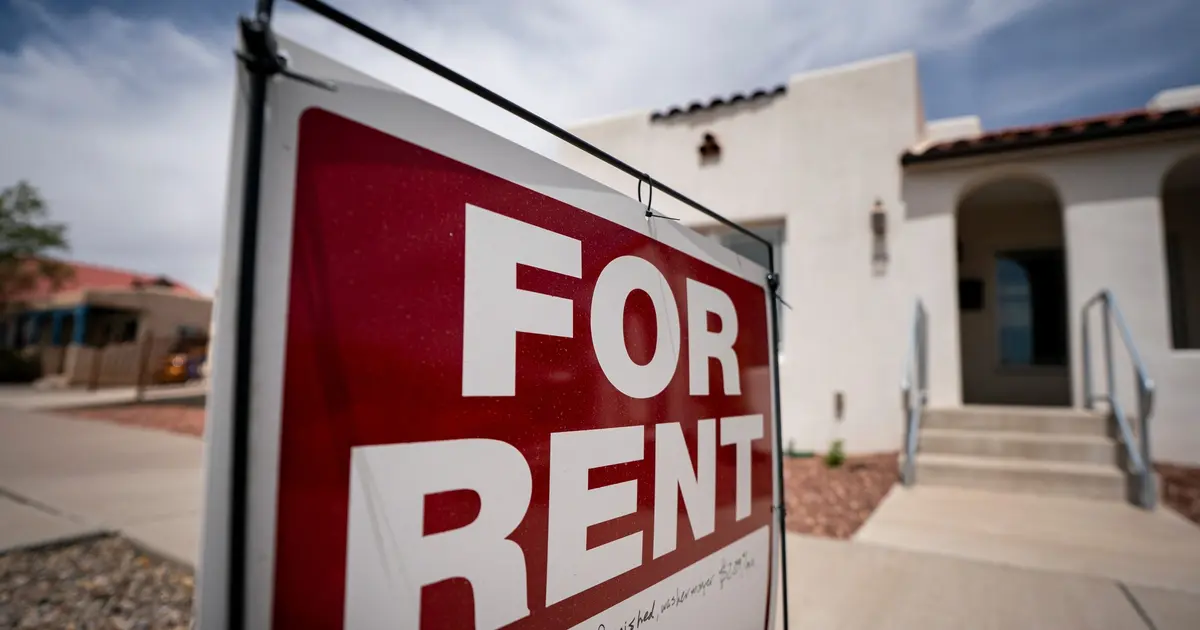
Renting is cheaper than buying a home in all 50 of the largest US metropolitan areas, with the typical tenant saving $1,066 a month compared with a new homeowner, according to an analysis by Zillow.
The figures show a widening affordability gap for households weighing up whether to rent or buy. In August, the typical US rent was $1,948 a month, while mortgage payments, property taxes and insurance for a typical new buyer came to $3,014.
That amounts to an annual saving of $12,792 for renters. Zillow said the difference could become a source of wealth for households able to invest the money they save.
Renting cheaper than buying across the US
Zillow’s comparison assumes that a buyer makes a 10% deposit and takes out a fixed-rate, 30-year mortgage. It includes the costs of mortgage payments, taxes, insurance and closing costs, while the renter is assumed to pay rent and renters’ insurance.
The monthly cost for buyers rose by $140 over the six months to August, more than four times the $32 increase in typical rent over the same period.
A household needed an annual income of about $77,919 to afford the typical US rental, Zillow said. Affording the typical mortgage with a 10% deposit required an income of more than $120,500.
The company’s calculations used a mortgage rate of 6.67% and typical home values based on its Zillow Home Value Index.
San Jose offers the biggest saving
The largest savings were recorded in expensive coastal markets, where high property prices have pushed the cost of buying well beyond local rents.
In San Jose, California, renters saved an average of $7,883 a month compared with buyers, or $94,596 over a year. San Francisco followed, with an annual difference of $64,956, while renters in Los Angeles saved $53,292 and those in San Diego saved $50,820.
Seattle completed the five cities with the biggest annual savings, although the gap there was considerably smaller than in California’s most expensive housing markets.
Zillow said renters who invested the monthly difference could earn an additional $322 in the first year at the rate of the 10-year US Treasury yield. In San Jose, the potential first-year return on the savings was estimated at $2,381.
However, the calculation does not mean renting will always be the better financial choice. Buying can provide greater stability and the prospect of building equity, while renting offers flexibility and avoids maintenance and some transaction costs.
Rent rises but remains cheaper
Typical US rent rose 2.5% in the year to August and has increased by 38.5% since the beginning of the pandemic. Despite that rise, rents remained below the monthly cost of buying in every major market examined.
New York was the least affordable major market for renters, with the typical household spending 40.6% of its income on rent. Miami followed at 36.9%, ahead of Los Angeles at 34%.
The most affordable markets by that measure were Austin, Raleigh and Salt Lake City, each at 18.3% of typical household income, followed by Minneapolis at 19.7% and St Louis at 19.8%.
Zillow said renting generally favoured households expecting to remain in a property for five years or less. The final decision, it added, would depend on factors including future house prices, maintenance costs, mortgage rates and how long a buyer planned to stay.
