


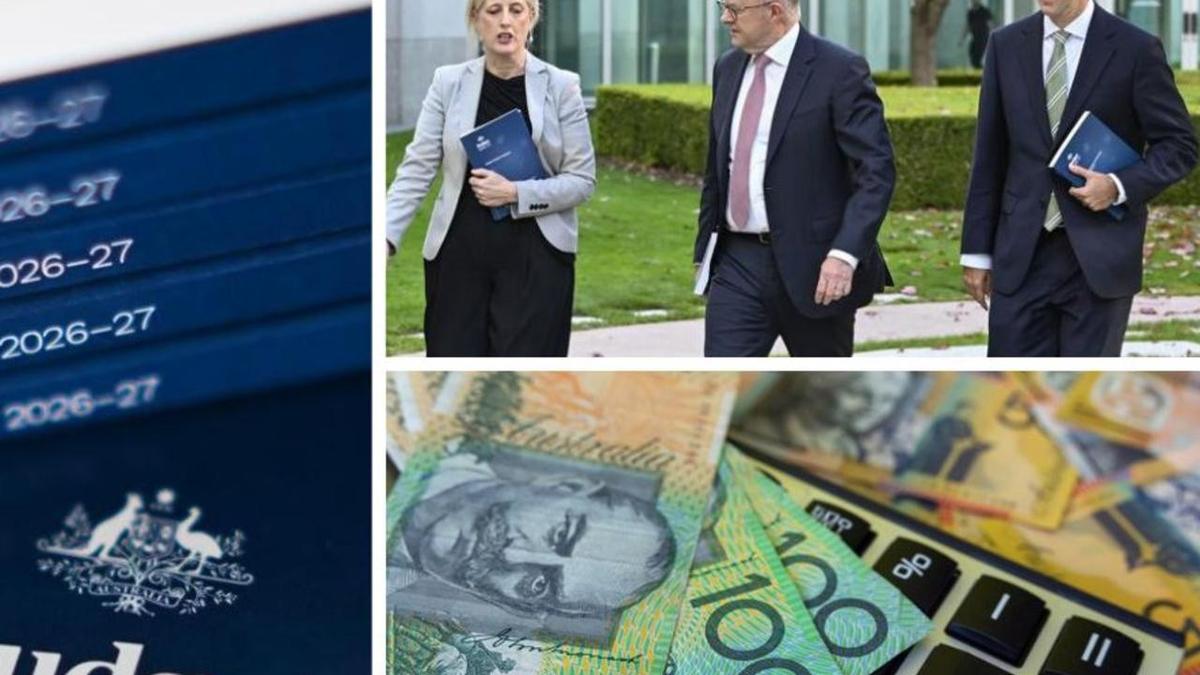
Australians are walking away from investing amid confusion over changes to negative gearing and capital gains tax announced in the federal Budget, according to a survey of 1,500 investors.
Families with children at home were more likely than any other household type to scale back their investment plans, the Global X survey found.
Alex Zaika, chief executive of Global X, said the reforms had made the tax system unnecessarily difficult to understand, with investors now required to consider indexation when calculating capital gains tax.
“Prior to the budget, it was very clear from a capital-gains tax perspective whether you were paying taxes on your full gain or half the gain and it was just at your marginal tax rate, but now people have to think about indexation,” he said.
Mr Zaika said the changes had prompted an immediate shift towards income-based assets, but warned that many Australians were considering avoiding investment altogether because they did not understand the new rules.
“It takes away from what we want people to do, we want people to invest and invest early because the power of compounding is obviously huge,” he said.
The reforms, announced by Treasurer Jim Chalmers in the May Budget, were presented as a major effort to create a fairer tax system for workers, businesses, first-home buyers and future generations.
But Mr Zaika said the changes could penalise some of the people the Government intended to help, including first-home buyers who invest in shares and exchange-traded funds while building a deposit.
He said a 30 per cent minimum tax meant lower-income investors could pay more on their investments than under their ordinary income tax rate.
“So they are being unfairly punished by this budget,” he said.
Changes to negative gearing and capital gains tax
The reforms include restricting negative gearing to new builds and replacing the 50 per cent capital gains tax discount with indexation.
Existing investors will receive a one-year grace period, with the new rules applying to assets bought after July 1, 2027. The changes cover more than housing, extending to shares, bonds, collectibles and art.
Investors will be expected to have their assets valued independently or by the tax authorities by that date for tax purposes, at their own cost.
The Government expects the measures to raise $3.6 billion in the 2027-28 financial year. Mr Chalmers said on Budget night that the changes would help about 75,000 Australians achieve home ownership.
The International Monetary Fund has supported the reforms, describing the changes to capital gains tax and negative gearing as a positive development.
Paulo Medas, the IMF’s mission chief, said the impact would be gradual because of grandfathering provisions, carve-outs and the way the measures had been introduced.
“We think that the change that’s eliminated some of that negative gearing, and some of the incentives actually, is good because you’re going to be putting incentives now, more balanced in terms of the resources moving to other sectors of the economy,” he said.
Mr Zaika said investment could still make practical sense despite the reforms, arguing that paying tax indicated an investor had made a profit.
“The sooner you start investing the better off you will be because the power of compounding is truly extraordinary,” he said.
