


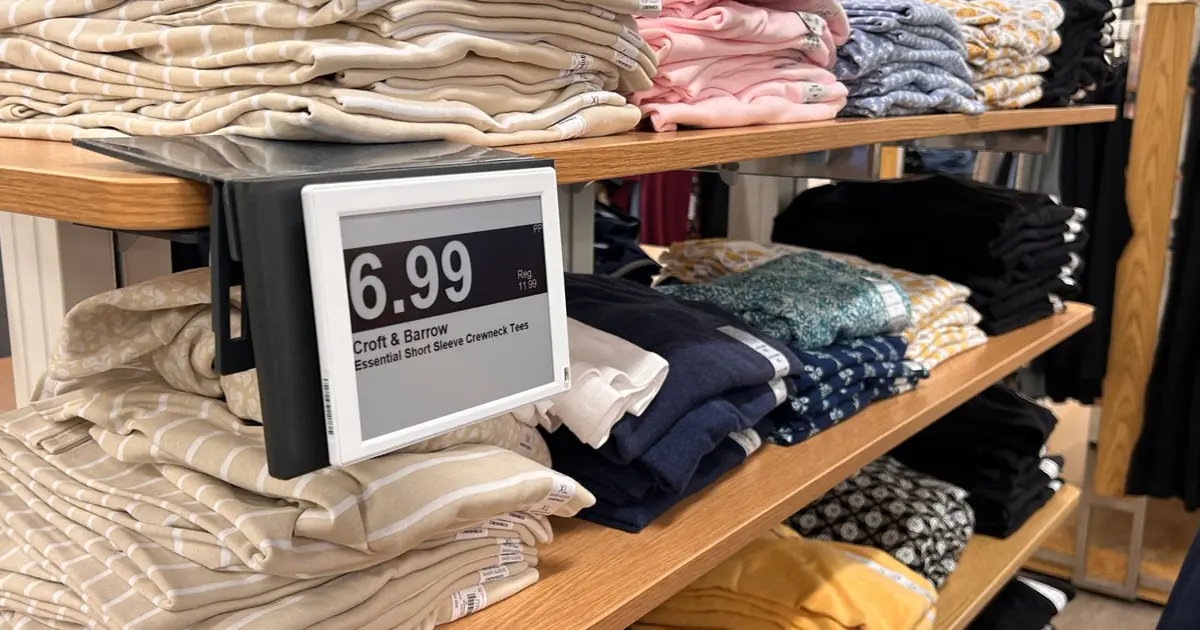
US shoppers are becoming increasingly wary of digital shelf labels, artificial intelligence and other high-tech pricing tools as retailers gain the ability to change prices more quickly and analyse detailed information about their customers.
The technology is spreading across supermarkets, department stores and restaurants, where electronic tags can replace paper labels and software can recommend prices based on demand, stock levels, competitors and purchasing patterns.
Retailers describe the systems as a more efficient version of traditional pricing. Consumer advocates, however, fear that the same technology could allow companies to charge different people different amounts for the same product.
How dynamic pricing works
Dynamic pricing involves changing prices in response to factors such as supply, demand, inventory, location or time. It is already familiar to consumers through fluctuating airline fares, hotel rates and ride-hailing charges during busy periods.
Online retailers may also adjust prices as products become more or less popular. A 2025 analysis by web data company Decodo found that about half of the price changes it tracked across categories including electronics, clothing and home improvement products were decreases.
The more controversial practice is known as surveillance pricing, or personalised pricing. It involves using information about a customer or group of customers — potentially including location, browsing history, previous purchases, demographics and online behaviour — to determine prices or promotions.
The US Federal Trade Commission said in January 2025 that pricing companies may use a wide range of consumer data, including items left in an online shopping basket, the time and channel used to make a purchase and even mouse movements on a website. The agency warned that failing to disclose the use of personal data to set individual prices could raise consumer protection concerns. ([ftc.gov](https://www.ftc.gov/news-events/news/press-releases/2025/01/ftc-surveillance-pricing-study-indicates-wide-range-personal-data-used-set-individualized-consumer?utm_source=openai))
It remains unclear how widely retailers use personal information in this way. The FTC’s study described possible practices and data uses rather than concluding that every retailer was applying personalised prices.
Algorithmic pricing tools can examine sales trends, monitor competitors and estimate how shoppers might respond to a price change. A survey of more than 2,200 business leaders across 39 industries by consultancy Simon-Kucher found that 28% used artificial intelligence for real-time price optimisation, while 41% used it for marketing intelligence.
Walmart and Target face scrutiny
Walmart has faced particular attention as it expands the use of electronic shelf labels in its US stores. The retailer says the displays simply replace paper tags and allow staff to update prices and locate products more efficiently.
In a statement published by the company, Walmart said the labels do not set prices, use cameras or facial recognition, or collect personal data. It said all customers see the same price and that the technology is separate from other systems that may collect customer information. ([corporate.walmart.com](https://corporate.walmart.com/about/everyday-affordability/digital-shelf-labels?utm_source=openai))
John Furner, Walmart’s chief executive, has also rejected claims that the retailer plans to base prices on a shopper’s income, purchasing history or willingness to pay.
“We price the product, not the person,” Mr Furner said.
Those assurances followed social media claims that electronic shelf labels could scan shoppers’ faces or mobile phones and use the information to set individual prices. Katie Thomas, who leads a consumer behaviour think tank at consultancy Kearney, said a lack of transparency had helped fuel suspicion about how retailers collect and use data.
Target has previously faced legal action in California over price discrepancies involving its app. Seven county district attorneys alleged that displayed prices could vary depending on whether a customer was inside or outside a store. Target agreed in 2022 to pay $5 million in penalties and related costs.
Target said the case involved differences between prices in stores and online, rather than personalised pricing. The company said it did not use customers’ personal data to set individual prices and that the app’s purpose was to show accurate prices for particular stores and sales channels.
Lawmakers consider new safeguards
Concern over algorithmic pricing is now prompting legislative action across the US. The National Conference of State Legislatures said lawmakers in at least 30 states were considering measures covering personalised pricing, digital coupons, restaurant fees, event tickets and other charges.
Some proposals would require companies to tell customers when a price had been generated using personal information. Others would give consumers access to a non-personalised baseline price or restrict the use of personal data in setting prices. ([ncsl.org](https://www.ncsl.org/financial-services/consumer-goods-and-services-pricing-and-junk-fees-2026-legislation/trk/article-ssr-frontend-pulse_little-text-block?utm_source=openai))
The debate reflects a wider question over who controls pricing decisions as retailers introduce increasingly sophisticated software. The National Retail Federation has argued that algorithmic tools largely automate work retailers have carried out for years, rather than creating an entirely new model.
For shoppers, however, the distinction between faster price updates and genuinely personalised pricing may be difficult to see. Without clear explanations, a changing figure on a screen can leave customers unsure whether the price reflects the product, the market or information about them.
