


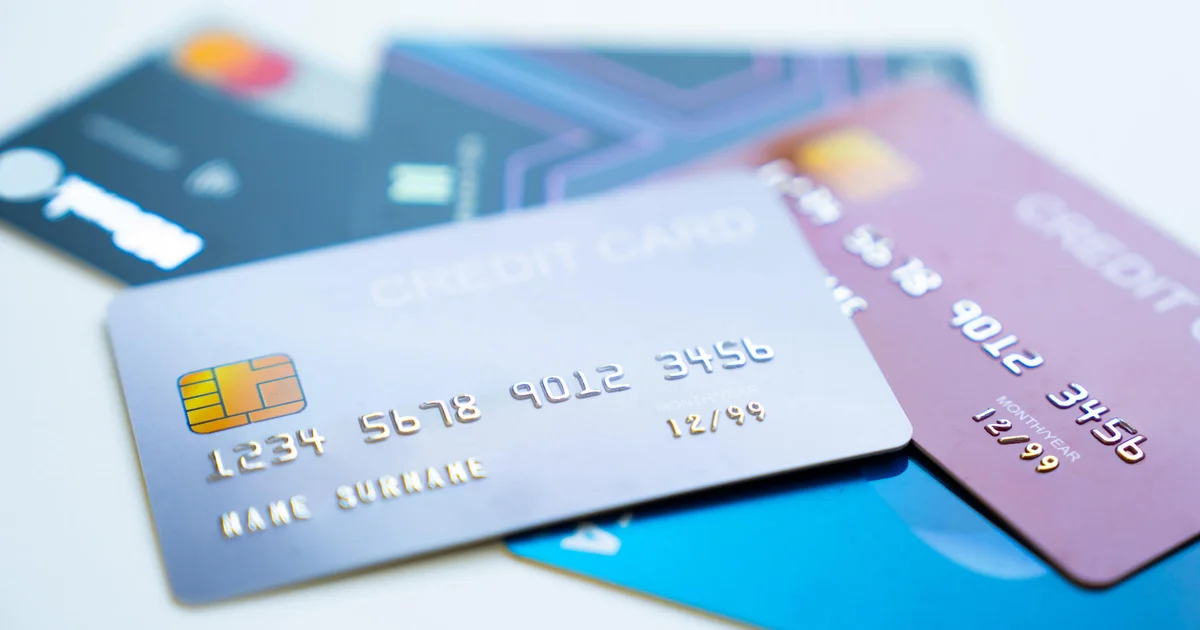
Making a partial credit card payment may reduce the balance owed, but it will not necessarily stop the account from being charged off if the payment does not bring the arrears up to date.
The issue is particularly important for borrowers who have missed several payments and are trying to decide whether limited cash should go towards an overdue card or be kept for essential household costs.
Under federal banking guidance, open-end credit accounts such as credit cards are generally charged off when they are 180 days past due. A charge-off is an accounting action by the lender and does not mean the debt has been cancelled.
A payment of $50 or $100 could lower the outstanding balance, but it may not change the account’s delinquency status. Nor does a small payment normally reset the clock or give the borrower a fresh period in which to catch up.
When a partial credit card payment may not be enough
What matters is whether the money paid is sufficient to cover the amount required by the card issuer to bring the account back into an acceptable status. That figure can be considerably more than a single minimum payment if several instalments have been missed.
Borrowers nearing charge-off should therefore contact the lender before sending an amount chosen at random. The issuer should be asked precisely how much must be paid, and by what date, to prevent the account progressing further.
The Consumer Financial Protection Bureau advises people who cannot meet their credit card payments to contact the card company as soon as possible. It recommends explaining why the payment cannot be made, how much can be afforded and when normal payments might resume.
Some lenders offer hardship or loss-mitigation programmes for customers facing financial difficulty. Depending on the provider and the borrower’s circumstances, these may involve temporarily lower payments, a reduced interest rate or a revised repayment arrangement.
Any agreement should be confirmed in writing, including how payments will be applied and whether the account will remain on track for charge-off while the arrangement is being considered.
What happens after a charge-off?
A charge-off does not wipe out the balance. The lender may continue trying to recover the money, instruct a collection agency or sell the account to a debt buyer.
The account’s payment history may also damage the borrower’s credit record. A later agreement to repay or settle the debt does not automatically remove earlier missed payments from the credit report.
For borrowers who cannot raise enough to stop the charge-off, occasional small payments may provide some reduction in the balance but are unlikely to resolve a seriously overdue account on their own.
A non-profit credit counselling organisation may be able to help create a debt management plan for eligible unsecured debts. Such plans can sometimes provide more manageable repayment terms and lower interest rates, although they may affect how accounts are handled and can carry fees.
Debt settlement is another possible route, in which a creditor agrees to accept less than the full amount owed. However, the Federal Trade Commission warns that settlement programmes can involve growing fees and interest, collection action and lasting damage to a borrower’s credit if payments are stopped while funds are built up.
Debt settlement companies cannot generally charge fees before they have settled or resolved a debt. The CFPB also warns consumers to be wary of firms that guarantee results, promise government-backed debt cancellation or tell them to stop communicating with their card issuer.
The most important step is to find out what the lender requires before using scarce funds. A partial payment can reduce the balance, but unless it changes the account’s delinquency status or forms part of an agreed repayment arrangement, it may not prevent charge-off.
