


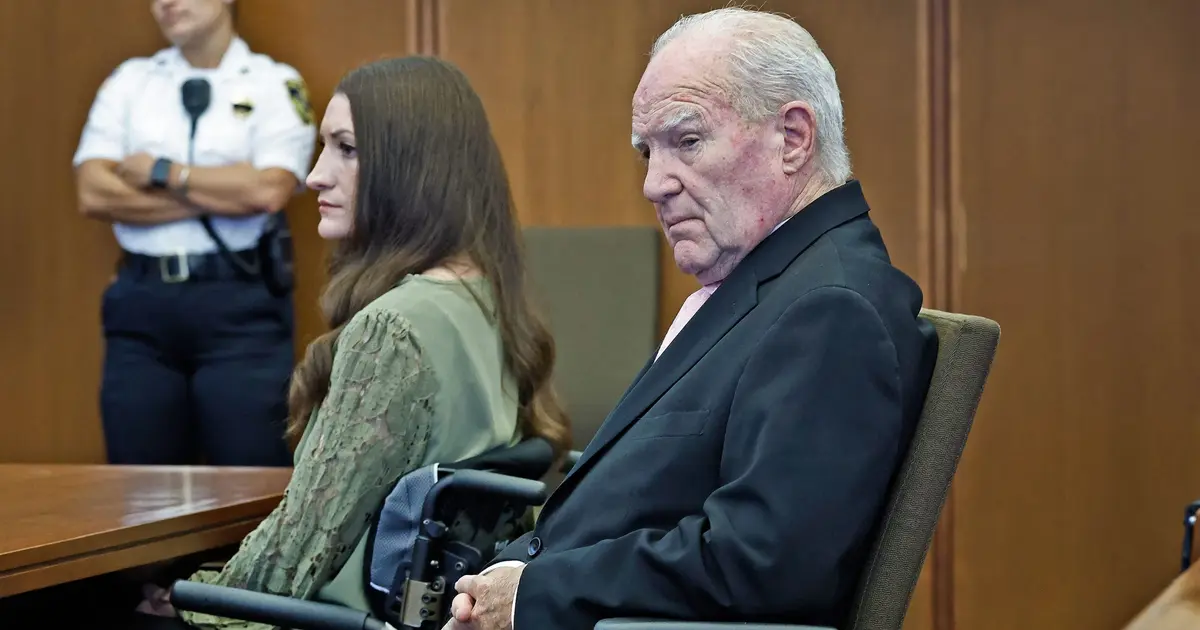
A mistrial has been declared in Lindsay Clancy’s murder trial after a Massachusetts jury failed to reach a unanimous verdict over the deaths of her three children.
The decision followed seven days of deliberations in Plymouth County Superior Court. The jury had told Judge William Sullivan on three occasions that it could not agree on whether Clancy was criminally responsible for the killings.
Clancy’s defence made an emergency appeal to the Massachusetts Supreme Judicial Court in an attempt to prevent the mistrial. Her lawyers argued that a juror who had reportedly acknowledged having doubts was refusing to apply the law on reasonable doubt and should be removed.
The appeal was rejected, clearing the way for Judge Sullivan to end the trial. A status hearing has been scheduled for September 29, when prosecutors and defence lawyers are expected to discuss the next stage of the case.
What happens next in the Lindsay Clancy case?
The mistrial does not clear Clancy or bring the criminal proceedings to an end. The murder charges remain in place and the case effectively returns to the position it occupied before the five-week trial began.
Plymouth County District Attorney Timothy Cruz said there would be no immediate decision on whether to seek a second trial. “This was and has always been about getting justice for those beautiful babies,” he said.
If prosecutors decide to proceed, the case would be heard before a new jury. Jury selection would have to start again and the court would need to set a fresh trial date. Prosecutors indicated that, if a retrial is pursued, they would ideally like it to take place later this autumn, although no timetable has been confirmed.
The timing would depend on the court calendar, the availability of witnesses and the process of selecting an impartial jury following the extensive publicity surrounding the case.
Clancy is expected to remain in custody at Tewksbury State Hospital while the case is unresolved, unless her lawyers succeed in securing a change to her custody or bail arrangements. The prosecution and defence could also resume discussions about a possible plea agreement instead of holding another trial.
The case against Lindsay Clancy
Clancy, a former labour and delivery nurse, was charged over the deaths of her daughter Cora, five, and her sons Dawson, three, and Callan, eight months, at the family’s home in Duxbury in January 2023.
Prosecutors alleged that she strangled the children with exercise bands while her husband was briefly away from the house collecting medicine and dinner. They argued that the killings were deliberate and that Clancy understood the nature and consequences of her actions.
Clancy has not disputed that she strangled the children. Her defence argued that she was suffering from postpartum psychosis, a severe mental illness that can cause hallucinations, delusions and a loss of contact with reality, and that she should not be held criminally responsible.
The trial heard evidence from more than 80 witnesses over 21 days, including Clancy’s former husband, relatives and mental-health experts. Prosecutors accepted that she had experienced serious mental-health problems but argued that she remained capable of understanding and controlling what she was doing.
Her lawyers said she had been overwhelmed by intrusive thoughts and had been prescribed several psychiatric medicines in the weeks before the killings. The competing accounts left the jury unable to reach a verdict, leaving the question of Clancy’s criminal responsibility to be decided at a later date.
